Sleep Mastery for Beginners
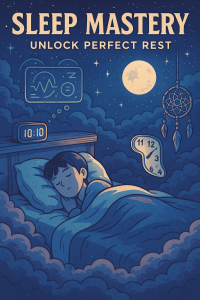
Sleep is not downtime – it is your body’s most powerful upgrade protocol.
Sleep mastery for beginners is about understanding that rest is not wasted time. It is when your body repairs, your brain resets, and your life quietly levels up behind the scenes. If you want sharper focus, better moods, and real long-term health, it starts with honoring your sleep and learning the science behind it.
Most people think of sleep as just shutting down for the night, but in reality, your body is hard at work. This guide covers the essential habits, environmental tweaks, and mindset shifts that help you unlock deeper sleep and a more energized life. Anyone can do this – no fancy gadgets required.
1. Deep sleep is your brain’s night crew
Deep sleep is when the real restoration happens. During this stage, your brain consolidates memories, clears out metabolic waste, and resets emotional balance. It is not just about feeling rested – it is about making sure your mind is sharp, your mood is steady, and your body is truly healing. When you consistently miss deep sleep, you are more forgetful, more irritable, and less focused. Sleep mastery for beginners starts by respecting the power of deep sleep and giving your body enough time for this critical stage.
2. Your bedroom is a biofeedback chamber
Think of your bedroom as a control room for your nervous system. Light, temperature, and sound all send signals to your body. Cool, dark, and quiet spaces trigger melatonin and help you fall asleep faster. Even the color of your sheets or the type of mattress you use can influence your sleep quality. Try to remove electronic distractions and treat your bedroom as a sanctuary. Sleep mastery for beginners means paying attention to these small details and setting up your environment for success.
3. The quality of your day starts the night before
How you perform tomorrow depends on how you sleep tonight. Everything from your energy to your focus, decision-making, and even your appetite are shaped by last night’s sleep. When you make good rest a priority, you notice improvements everywhere. Productivity hacks do not work if you are sleep deprived. A real morning routine starts with a smart bedtime. Sleep mastery for beginners is about building habits at night that make your days smoother and brighter.
4. Blue light does not just delay sleep – it delays healing
Screens at night are one of the biggest sleep disruptors today. Even short bursts of blue light from your phone or TV can suppress melatonin, making it harder to fall asleep and stay asleep. That means less deep sleep and less physical and mental recovery. Protect your evenings like gold. Use blue light filters, dim your lights after sunset, and avoid scrolling right before bed. Sleep mastery for beginners is learning to disconnect and let your mind wind down naturally.
5. Sleep is a skill – not just a state
You can train your body to sleep better. Bedtime routines, keeping regular hours, using relaxation techniques, and creating positive associations with your bed all work together. Start with a set bedtime and wake time, even on weekends. Use breathing exercises or meditation if your mind races at night. If you wake up, stay calm and resist the urge to reach for your phone. Sleep mastery for beginners means seeing rest as a skill you improve over time, not a random event.
Why Sleep Mastery for Beginners Matters
Our world pushes constant hustle and never-ending screens, but your body needs time to recover. Chronic sleep deprivation has been linked to everything from anxiety to weight gain, heart disease, and depression. Learning sleep mastery for beginners helps you protect your health, mood, and even your creativity. Better sleep is not about luxury – it is about survival and living your life at full power.
How to Practice Sleep Mastery for Beginners Every Day
– Keep a sleep journal. Write down what time you went to bed, woke up, and how you felt in the morning. Patterns will emerge.
– Try a wind-down routine. Turn off screens 30 minutes before bed, read a physical book, or take a warm shower.
– Invest in blackout curtains or a sleep mask to block light.
– Use white noise or calming sounds to drown out distractions.
– Stay consistent. Your body’s circadian rhythm thrives on routine.
Want more proven ways to optimize your rest? Explore our full eBook collection. You might also benefit from our guide on Thinking Skills for the Future to keep your mind sharp and resilient.
🛌 Smart Sleep Routine:
Upgrade your nights and mornings with this all-in-one sunrise alarm clock, sound machine, and smart light:
👉 Hatch Restore 3 Sunrise Alarm Clock
Find your best sleep rhythm, wake up naturally, and start your day feeling refreshed – science-backed and screen-free.
📘 Want the full guide?
Get the complete eBook:
👉 Sleep Mastery: Unlock Perfect Rest →
For more practical tips and scientific sleep advice, visit the Sleep Foundation’s beginner guide to sleep – a trusted source for sleep mastery for beginners.