Understanding Dog Body Language for Beginners
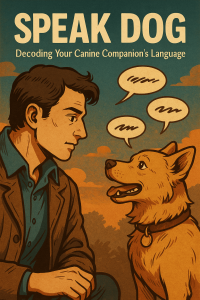
Your dog is talking all the time – the question is, are you listening?
Understanding dog body language for beginners is the most important skill for any dog owner. Dogs are always communicating, even when they are quiet. If you want a better relationship with your pet, it starts with paying attention to how your dog moves, looks, and reacts. In this practical guide, you’ll learn the key signals, common mistakes, and easy steps to become fluent in understanding dog body language for beginners.
Why Understanding Dog Body Language for Beginners Matters
Dogs do not use words. They use posture, tail movement, facial expression, and dozens of small signals. If you miss these cues, you might misunderstand your dog’s feelings or needs. That can lead to stress, bad habits, or even behavior problems. When you learn the basics of understanding dog body language for beginners, you make life safer, calmer, and happier for both of you.
Understanding Dog Body Language for Beginners: Key Signals
1. Tail Wags
A wagging tail does not always mean a happy dog. A high, stiff wag may show excitement or even stress. A low, slow wag can mean worry. Pay attention to the height, speed, and movement.
2. Eyes and Ears
Soft, relaxed eyes and ears mean comfort. Wide eyes with visible whites (the “whale eye”) show fear or tension. Ears held back or flat signal nervousness or submission.
3. Barking and Vocalizations
Barking is not just noise – it is communication. Different barks mean different things: excitement, warning, boredom, or a call for help. Notice the pitch, frequency, and the body language that goes with it.
4. Yawning and Lip Licking
If your dog yawns or licks their lips when not tired or hungry, they are likely anxious or trying to calm themselves. These are called “calming signals” in understanding dog body language for beginners.
5. Body Posture
Loose and wiggly means safe and playful. A stiff body, low posture, or raised hackles means stress, fear, or even aggression. Look for patterns in your dog’s movements and reactions.
Tips for Understanding Dog Body Language
- Watch your dog in different settings – at home, outdoors, around new people or other dogs.
- Notice small changes in tail, ears, and eyes. These reveal how your dog really feels.
- Respond with calm energy. Your reactions teach your dog what to expect from you.
- Write down what you see in a simple journal. Over time, you will spot patterns and know your dog better than ever.
Common Mistakes in Understanding Dog Body Language
- Assuming a wagging tail is always good.
- Missing calming signals like yawns or lip licks.
- Thinking barking is “bad behavior” instead of communication.
- Ignoring stiff posture or changes in eyes and ears.
- Not linking context – your dog’s environment matters as much as the signal.
Understanding Dog Body Language : Daily Practice
Every day, spend a few minutes just observing your dog. Watch how their signals change during play, feeding, or when visitors arrive. Ask yourself, “What might my dog be feeling right now?” The more you practice, the more fluent you will become at understanding dog body language for beginners.
🐾 Dog Training Must-Have:
Want a simple tool for clearer communication? This gentle training collar is perfect for positive guidance and understanding dog body language for beginners:
👉 PetSafe Remote Trainer Dog Training Collar
Great for building trust, improving behavior, and deepening your bond – one bark at a time.
📘 Want the full guide?
Get the complete eBook:
👉 Speak Dog →
For expert charts and more information, explore the AKC’s guide to dog body language – a trusted source for all dog owners.